24 Apr
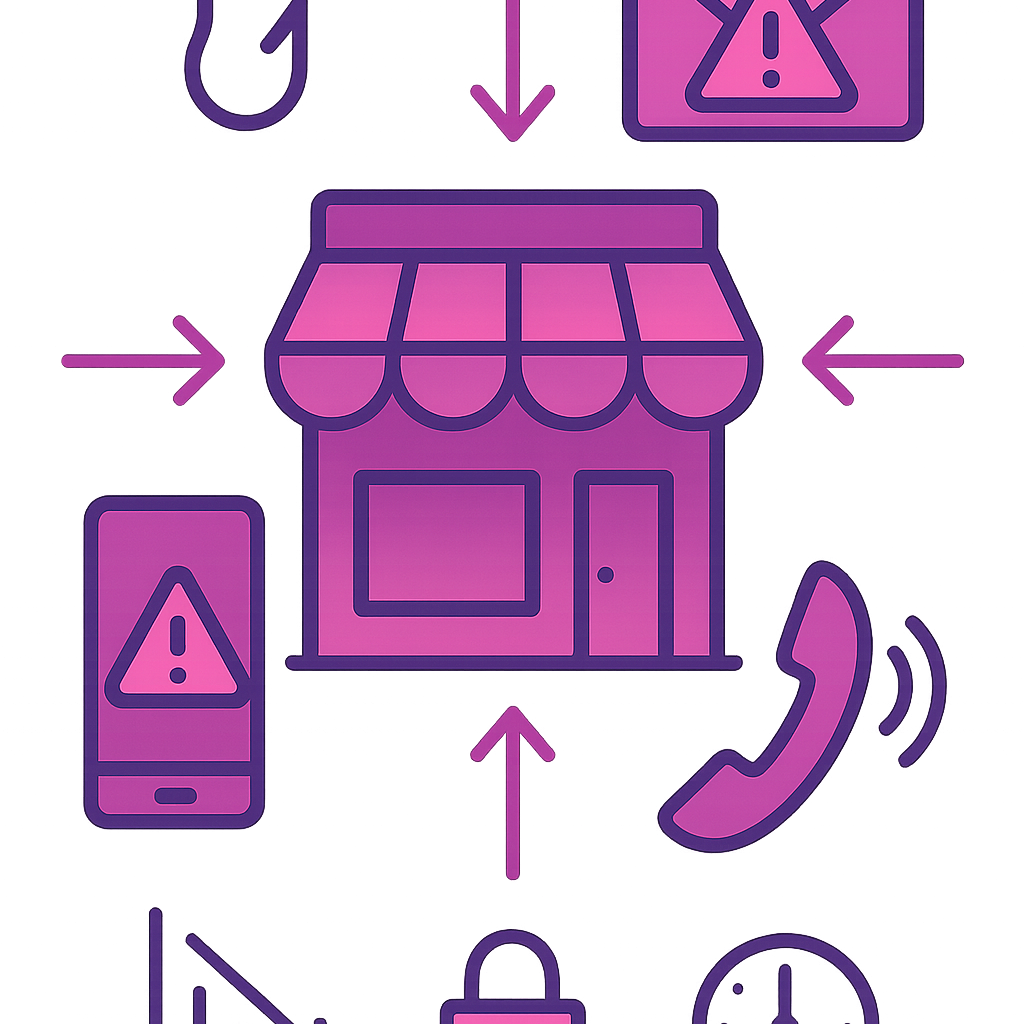
Why Phishing Isn’t Just a “Big Company” Problem: The Real Risks for Your Small Business
As a small business owner or manager, you juggle countless priorities every day. Cybersecurity might seem like a concern primarily for large corporations with vast databases and deep pockets. It’s easy to fall into the trap of thinking, “We’re too small to be a target.” Unfortunately, that’s a dangerous misconception. Phishing attacks are a significant threat to businesses of all sizes, and understanding the real risks for your small business is the first step towards effective protection.
Phishing, in simple terms, is a type of online scam where criminals impersonate legitimate organizations or individuals via email, text message (smishing), or phone call (vishing) to trick victims into revealing sensitive information. This information can include login credentials, credit card numbers, bank account details, or company data.
The Myth: “We’re Too Small to Be a Target”
Many small and medium-sized businesses (SMBs) operate under a false sense of security. The thinking goes: why would sophisticated cybercriminals bother with a small local shop, a niche consultancy, or a growing startup when they could go after a multinational bank or tech giant? This mindset, however, ignores the realities of modern cybercrime.
Reality Check: Why Cybercriminals Actively Target Small Businesses
Contrary to the myth, SMBs are increasingly attractive targets for phishing attacks. Here’s why the SMB phishing risk is so high:
- Perceived Weaker Defenses: Cybercriminals often assume (sometimes correctly) that smaller businesses have fewer resources dedicated to robust cybersecurity measures, lacking dedicated IT security teams or advanced threat detection systems. This makes them appear as softer, easier targets.
- Direct Access to Funds & Data: Small businesses handle valuable information, including customer payment details, employee records (PII), and sometimes sensitive business strategies. Attackers know that compromising even one employee can potentially provide direct access to bank accounts or critical data they can ransom or sell.
- Supply Chain Vulnerabilities: Sometimes, attackers target smaller businesses as a stepping stone to infiltrate larger companies they partner with. Compromising an SMB vendor can provide a backdoor into a bigger, potentially more lucrative, target.
- High Volume, Less Suspicion: Attackers can send out mass phishing emails cheaply. Even a low success rate can be profitable when targeting thousands of SMBs who might be less vigilant or have less formal training than employees in larger corporations.
Statistics consistently show that a significant percentage of cyberattacks are aimed at small businesses precisely because they are seen as high-reward, lower-risk targets by criminals.
The High Stakes: Real Phishing Consequences for Your SMB
Falling victim to a phishing attack isn’t just an inconvenience; it can have devastating and lasting consequences for a small business. The potential damage goes far beyond a single fraudulent transaction:
Direct Financial Loss
This is often the most immediate impact. Attackers can use stolen credentials to access business bank accounts and initiate fraudulent wire transfers. They might deploy ransomware, locking your critical files and demanding hefty payments for their release. Invoice scams trick employees into paying fake bills. For an SMB operating on tight margins, such losses can be crippling.
Operational Disruption
Imagine your essential systems being locked by ransomware, your customer database being stolen, or your email system being compromised. Recovery takes time and resources, leading to significant downtime, lost productivity, and an inability to serve your customers – potentially grinding your operations to a halt.
Reputational Damage
Trust is paramount in business. If your business suffers a data breach due to phishing, leading to the compromise of customer or partner data, the damage to your reputation can be immense. Customers may lose confidence in your ability to protect their information, leading to lost business and difficulty attracting new clients. Rebuilding that trust is a long and challenging process.
Data Breach Consequences & Compliance Issues
If sensitive data (like customer PII or employee records) is exposed, you may face regulatory fines (depending on your industry and location), legal action from affected individuals, and the costs associated with investigating the breach and notifying victims. This represents a significant hidden cost of a small business data breach.
Taking Control: What Can Your Small Business Do?
The good news is that you are not helpless against these threats. While technical defenses like firewalls and email filters are important, one of the most effective ways to protect your small business from phishing is by building a “human firewall.”
This starts with awareness and training. Your employees are your first line of defense, but they need to be equipped with the knowledge to recognize phishing attempts. Regular, engaging cybersecurity awareness training that includes realistic phishing simulations can drastically reduce your risk. Simulations help employees practice spotting suspicious emails in a safe environment, turning theoretical knowledge into practical skill.
Learn how realistic phishing simulation training can empower your team.
Don’t Wait for Disaster
Phishing is not just a theoretical risk or a problem for large enterprises. It’s a clear and present danger to small businesses, posing significant financial, operational, and reputational threats. Acknowledging the cybersecurity risks for your small business and taking proactive steps – especially investing in employee awareness and training – is essential for safeguarding your future. Don’t wait until an attack succeeds; start building your defenses today.
Start Building Your Human Firewall
Launch a realistic phishing simulation in minutes and get the tools you need to build a cyber-aware team.
This blog offers general information about phishing and cybersecurity for small and medium-sized organisations. It is not legal, financial, or technical advice. Speak to a qualified professional before acting on any guidance you read here.